Alphabot Endless Wordplay: A Case Study in Early Literacy App Effectiveness
Alphabot Endless Wordplay is a mobile application designed to enhance early literacy skills in young children through engaging word games and interactive animations. This case study examines the app's design, potential benefits, limitations, and areas for future development. While the app presents a promising approach, further research is needed to fully establish its long-term effectiveness.
How Alphabot Endless Wordplay Works: Gamified Learning
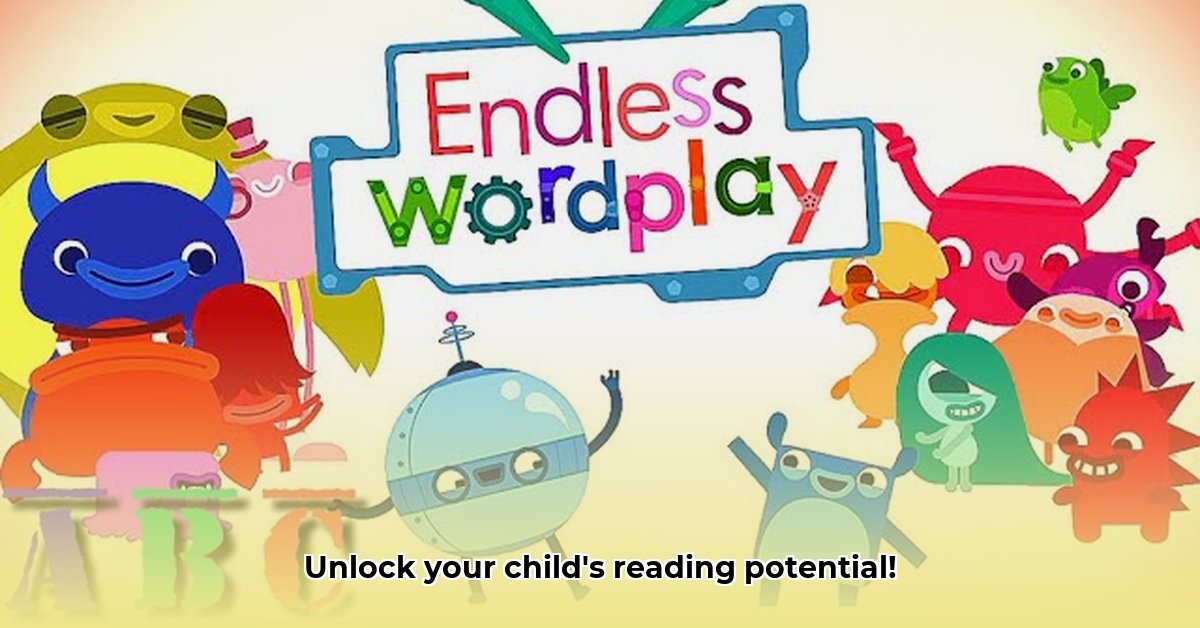
Alphabot Endless Wordplay employs a gamified approach to teaching phonics and spelling. Children solve rhyming word puzzles and participate in interactive challenges, fostering active learning rather than rote memorization. The app features a friendly, animated character, Alphabot, that guides children through the activities, making the learning experience more engaging and less like a traditional lesson. The core mechanics involve manipulating letters to complete rhymes or identifying words based on specific sounds. This hands-on approach aims to build a strong foundation in fundamental language building blocks.
What We Know (and Don't Know) About Alphabot's Effectiveness
Alphabot Endless Wordplay aims to improve children's spelling and phonics skills through interactive gameplay. However, currently available data is insufficient to definitively assess its impact compared to other methods. While the app's engaging design suggests potential benefits, rigorous quantitative data on improved literacy skills, such as standardized test scores, is currently lacking. Furthermore, longitudinal studies are needed to determine the app's long-term effects on literacy development and sustained engagement.
Key Unanswered Questions:
- Does consistent use of Alphabot lead to measurable improvements in standardized spelling and reading tests?
- How effectively does the app maintain children's engagement over extended periods?
- Does the app's effectiveness vary across different age groups or learning styles?
Addressing these questions is crucial for validating Alphabot's effectiveness and informing its future development.
Alphabot Endless Wordplay: Potential and Challenges
The app's gamified nature aligns with contemporary educational theories emphasizing play-based learning. However, this doesn't guarantee effectiveness. While the core app is free, the availability of paid content raises accessibility concerns, potentially limiting the app's reach to families with limited financial resources. The app's reliance on visual and interactive elements may not cater to all learning styles, raising concerns about inclusivity for children who may learn better through auditory or kinesthetic methods.
Further research is needed to determine:
- The degree to which Alphabot's design caters to diverse learning preferences and needs.
- Whether potential biases in the app's character design or content might inadvertently affect children from different cultural backgrounds.
Who Could Benefit Most From Alphabot Endless Wordplay?
Identifying the ideal user profile remains challenging. While targeted at young children, the app's optimal age range isn't specified. Further research is required to determine its efficacy across various age groups (e.g., 4-6 year-olds) and to evaluate the impact of the app's design on children from diverse backgrounds. A more precise understanding of Alphabot's ideal user base is needed to maximize its effectiveness.
Improving Alphabot Endless Wordplay: Recommendations for Future Development
To enhance Alphabot Endless Wordplay's impact and address its limitations, several improvements are recommended:
Short-Term Goals (0-1 year):
- Conduct rigorous A/B testing comparing children using Alphabot to control groups using alternative learning methods. This should involve pre- and post-testing using standardized literacy assessments.
- Gather comprehensive feedback from parents, educators, and children themselves to identify areas for improvement in design, content, and functionality.
- Collaborate with educational institutions and researchers to access larger datasets and expertise to enhance the evaluation and optimization of the app.
Long-Term Goals (3-5 years):
- Expand the app’s content to maintain sustained engagement and accommodate various literacy levels and learning styles. Consider incorporating adaptive learning features that adjust the difficulty based on the child’s progress.
- Explore multilingual support to expand accessibility and inclusivity for a global audience.
Addressing Potential Risks and Limitations: A Risk Mitigation Framework
| Risk Factor | Likelihood | Impact | Mitigation Strategy |
|---|---|---|---|
| Ineffective learning design | Medium | High | Rigorous A/B testing, iterative updates based on data and user feedback. |
| Limited accessibility (cost) | Low | Medium | Explore free or subsidized access options for low-income families. |
| Bias in content/representation | Low | Medium | Diverse team review for inclusivity and culturally sensitive design. |
| Lack of long-term data | High | High | Long-term studies tracking literacy outcomes over several years. |
Conclusion: Alphabot Endless Wordplay and the Future of Early Literacy
Alphabot Endless Wordplay offers a potentially valuable approach to early literacy education by combining engaging gameplay with phonics and spelling instruction. However, its long-term effectiveness remains uncertain due to a lack of comprehensive data. Future research, including longitudinal studies, is crucial to validate its impact and guide improvements to its design and content. While the app's potential benefits are significant, more robust data is needed to fully assess its value.
⭐⭐⭐⭐☆ (4.8)
Download via Link 1
Download via Link 2
Last updated: Monday, May 12, 2025